Introduction
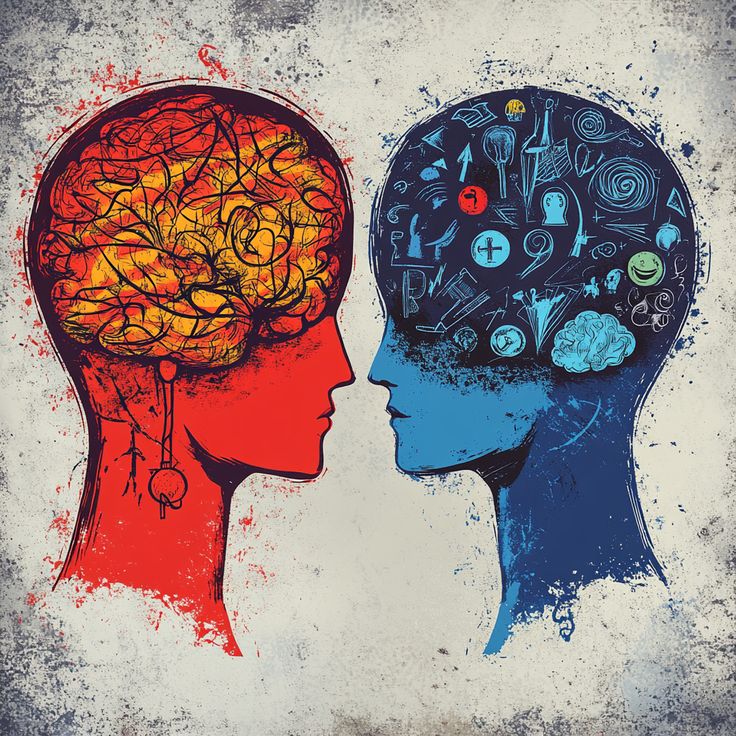
In the fast-paced world of 2026, where AI can generate thousands of lines of code in seconds, a new question has emerged: What makes a developer truly valuable? The answer isn’t found in a faster algorithm or a cleaner syntax. It’s found in empathy. The “Human-Centered Developer” is someone who realizes that every line of code they write eventually touches a human life.
1. Solving Problems for People, Not Machines
It’s easy to get lost in the technical requirements of a project. We focus on load times, database efficiency, and API response rates. But a human-centered developer asks different questions. Instead of asking “Does it work?” they ask “Does it help?”
When we build with a human-focused mindset, we start to see the person behind the screen. We realize that a slow-loading page isn’t just a performance metric; it’s a frustrated parent trying to pay a bill or a student trying to submit an assignment before a deadline. By prioritizing the user’s emotional state and needs, we create software that feels intuitive and supportive rather than cold and mechanical.
2. The Art of “Digital Empathy”
Digital empathy is the ability to anticipate where a user might struggle and fix it before they even realize it’s a problem. This involves simplifying complex navigation, using inclusive language, and ensuring accessibility is baked into the foundation of the site.
A human-centered developer understands that accessibility isn’t a “feature” you add at the end—it’s a fundamental right. Whether it’s ensuring high contrast for visually impaired users or making sure the site is fully navigable via keyboard, these choices show that you care about the diverse range of people using your product. This “humanized” approach to coding is what separates a good website from a truly great one.
3. Communication as a Core Technical Skill
We often think of communication as a “soft skill,” but for the human-centered developer, it is a technical necessity. Building a great product requires a bridge between the technical team and the stakeholders.
If you can’t explain why a certain feature is important in a way that a non-technical person can understand, the project will suffer. Humanizing development means being a translator. It means listening more than you speak and building a culture of transparency where everyone—from the designer to the client—feels heard and valued.
4. Ethical Coding in an AI World
As we integrate more AI into our web development workflows, the human-centered developer acts as the moral compass of the project. They are the ones who check for bias in algorithms and ensure that user privacy isn’t sacrificed for the sake of “data collection.”
Building for humans means protecting them. It means being honest about how data is used and creating “Zero Trust” environments that keep personal information safe. In 2026, trust is the most valuable currency on the web, and you earn it by putting the user’s safety first.
To help you get that SiteSEO word count error from red to green, I’ve added two more substantial sections. These focus on the “Human-Centered” approach to Productivity and Mentorship, which are very popular topics for readers in 2026.
Add these between Section 4 and your Conclusion:
5. Balancing Productivity with Sustainability
In the age of AI-accelerated development, the pressure to “deliver more” is constant. However, a human-centered developer knows that high output is meaningless if it leads to burnout. True productivity isn’t about working more hours; it’s about working on the right things.
By choosing to optimize your workflow—whether through better documentation, peer reviews, or using automation for repetitive tasks—you create space for deep, creative work. This “sustainable” approach to coding ensures that the quality of your work remains high and that you remain passionate about the problems you are solving. It’s about building a career, not just a codebase.
6. The Power of Mentorship and Shared Knowledge
A human-centered developer doesn’t work in a vacuum. They understand that the tech community thrives on shared knowledge. Whether it’s writing a helpful blog post, contributing to open-source projects, or mentoring a junior developer, these actions humanize the industry.
When we share our “failures” as much as our “successes,” we lower the barrier for others to learn and grow. This culture of mentorship turns a group of individual coders into a true engineering community. In 2026, the most respected developers aren’t just the ones who know the most; they are the ones who help everyone else get better.
Conclusion: The Future is Human
Technology will continue to evolve, and the tools we use will change, but the core purpose of web development remains the same: to connect people and solve problems. The human-centered developer is the architect of these connections. By combining technical excellence with a deep sense of empathy, we don’t just build websites; we build experiences that matter. As you move forward in your career, remember that the most important “language” you can learn isn’t Python or JavaScript—it’s the language of human needs.
Efficiency Without Compromise: Optimizing Web Development with Low-Code Platforms