Introduction
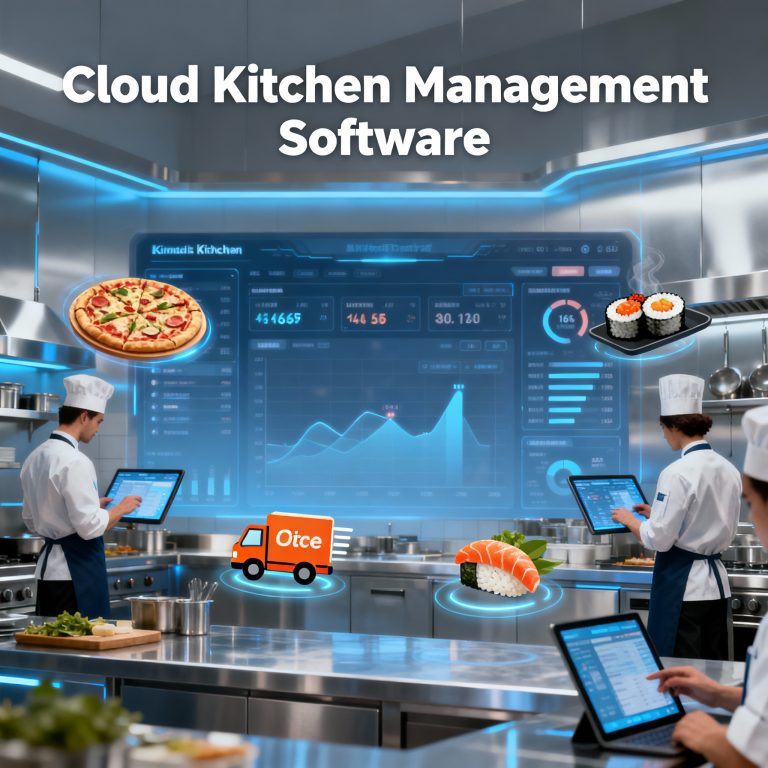
Cloud kitchen businesses are reshaping the food industry, offering delivery-first models driven by digital efficiency. For operators, effective management software is essential—it connects orders, tracks inventory, manages staff, and streamlines the entire kitchen operation from a single platform. This guide details everything you need to build robust cloud kitchen management software, ensuring you can deliver seamless customer experiences and scale effortlessly.
Core Features Every Cloud Kitchen Software Needs
-
Order Management System: Centralise and automate order intake from multiple food delivery platforms, allowing the kitchen to efficiently handle high order volumes without confusion.
-
Inventory & Procurement Management: Track ingredient usage, manage stock levels, generate auto-purchase orders, and predict supply needs with data-driven analytics.
-
Staff Management: Assign shifts, track attendance, and optimise task allocation to keep your kitchen running smoothly during peak and off-peak hours.
-
Customer Relationship Management (CRM): Store and analyse customer preferences, purchase history, and feedback to drive loyalty and run targeted marketing campaigns.
-
Real-Time Analytics and Reporting: Gain insights into kitchen performance, order trends, inventory turnover, and customer satisfaction with live dashboards.
Additional Must-Haves:
-
Integration with POS systems
-
Multi-location and menu management
-
Secure user authentication
-
Mobile, tablet, and web access
Steps to Develop Cloud Kitchen Management Software
-
Define Requirements:
-
List your business goals, target audience, operational challenges, and essential features.
-
-
Market Research:
-
Study competitor solutions and find gaps or value-added opportunities.
-
-
UI/UX Design:
-
Design intuitive workflows for admin, kitchen staff, and delivery teams—focus on speed and clarity.
-
-
Software Development:
-
Build backend order processing, inventory modules, staff scheduling, reporting tools, and secure APIs for integration.
-
-
Testing and Quality Assurance:
-
Rigorously test features, usability, and reliability through real-world scenarios and feedback.
-
-
Deployment and Go-Live:
-
Launch with easy onboarding, staff training, and technical support to ensure smooth adoption.
-
Benefits of Cloud Kitchen Management Software
-
Operational Efficiency: Automated processes reduce manual errors and speed up kitchen operations.
-
Cost Control: Real-time analytics help in resource planning, reducing food waste and overstocking.
-
Enhanced Customer Experience: Accurate order tracking and personalised service drive loyalty and repeat business.
Conclusion
Developing custom cloud kitchen management software transforms how modern kitchens operate—enabling centralised control, data-driven decisions, and scalable growth. By focusing on the right features and following proven development steps, your business can thrive in the competitive delivery market. Now is the time to start building the foundation for operational excellence.
Ready to create your own cloud kitchen management system? Partner with a software expert or explore platforms that offer custom development to turn your kitchen into a digital powerhouse.
FAQ
1. What is a cloud kitchen management software?
A digital platform that centralises order processing, inventory, staff, and customer management for delivery-first food businesses.
2. What technology stack is used?
Popular choices include React Native or Flutter (front end), Node.js or Django (back end), and cloud hosting with AWS or Google Cloud.
3. How much does it cost to build such software?
Costs depend on features, scalability requirements, and integration needs; expect development and ongoing maintenance expenses.
4. Can this software integrate with delivery apps?
Yes, integration with leading delivery partners and POS systems is essential for streamlined operations.
5. How long does it take to develop?
Depending on complexity, most custom projects take 4–6 months from design to deployment.