
Introduction
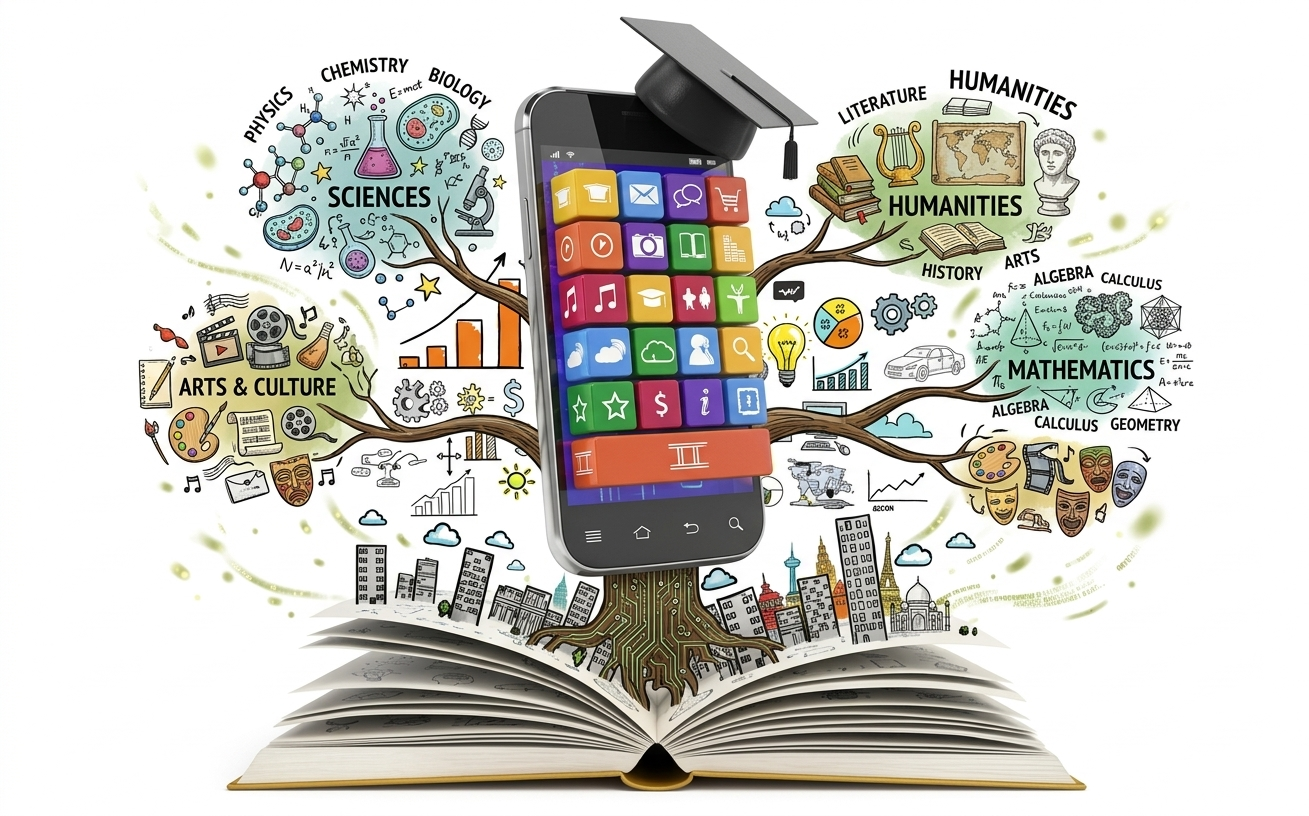
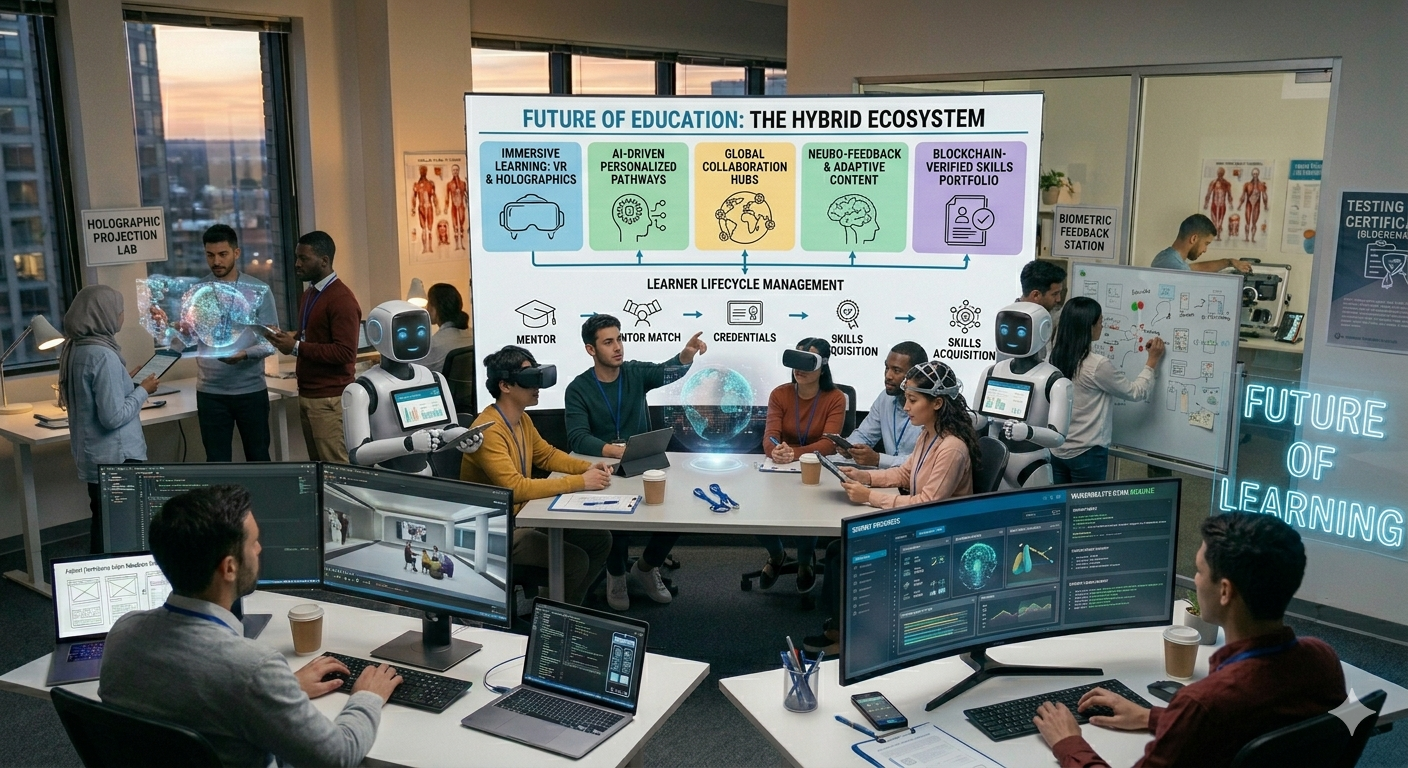
Technology has transformed education from static classrooms into dynamic, personalized learning ecosystems where AI tutors, immersive VR labs, and mobile platforms deliver real-time adaptive instruction to billions of learners worldwide. These tools now bridge access gaps, boost retention through gamified experiences, and prepare students for AI-driven careers, making education more inclusive and effective than ever before.
In April 2026, schools leverage AR/VR for virtual field trips and simulations while mobile apps provide anytime learning with AI-powered personalization. This shift addresses traditional limitations like one-size-fits-all teaching and geographic barriers.
Just two decades ago, education meant chalkboards and textbooks. Today, 6.8 billion mobile users access AI-driven platforms, AR overlays make math tangible, and global virtual collaborations connect students across continents. The global EdTech market exceeds $400 billion, driven by post-pandemic hybrid models and AI personalization that addresses individual learning gaps with surgical precision.
These shifts solve core problems: low engagement (traditional methods retain just 10-20%), access barriers for remote students, and teacher overload. VR/AR simulations enable risk-free labs, AI handles grading so educators mentor, and data analytics predict at-risk learners early. Yet challenges remain—the digital divide affects 44% without reliable internet, teacher training lags, and screen fatigue demands balance.
This guide explores 2026’s transformative technologies, real-world impacts, equity solutions, and implementation strategies for schools and parents. Whether you’re an educator seeking VR tools or a policymaker planning digital infrastructure, understand how technology makes learning engaging, equitable, and future-proof.
AI-Powered Personalization
AI now acts as virtual tutors that adapt lessons to individual learning styles, paces, and knowledge gaps in real time. Platforms analyze student performance across subjects and generate custom exercises, explanations, and even motivational feedback tailored to each learner.
Key benefits include:
-
Real-time progress tracking with predictive analytics.
-
Automated grading and feedback, freeing teachers for mentorship.
-
Multilingual support reaching non-native speakers instantly.
Studies show AI-assisted learning boosts retention by 35-47% compared to traditional methods.
Immersive AR/VR Learning
Augmented Reality overlays interactive 3D models onto textbooks while Virtual Reality transports students inside historical events or molecular structures. Classrooms use affordable VR headsets for risk-free science experiments and anatomy dissections.
-
VR retention rates reach 75% versus 10% for reading alone.
-
AR makes abstract math and physics tangible through manipulable holograms.
-
Global virtual field trips eliminate travel costs for under-resourced schools.
Mobile-First Learning Platforms
With 6.8 billion mobile users, education has gone pocket-sized. Apps deliver micro-lessons, gamified quizzes, and collaborative projects accessible 24/7.
Popular 2026 implementations:
-
AI study companions with voice interaction.
-
Peer-to-peer knowledge sharing via social learning networks.
-
Offline-capable content for remote areas.
Data-Driven Administration
Technology streamlines school operations through digital platforms for enrollment, attendance, and parent communication. Predictive analytics identify at-risk students early, enabling targeted interventions.
Challenges and Equity
Despite progress, the digital divide persists—56% global internet access creates uneven opportunities. Teacher training lags behind tools, and screen fatigue affects young learners.
Solutions gaining traction:
-
Low-cost shared devices and offline apps.
-
Hybrid models blending tech with hands-on learning.
-
Government subsidies for rural connectivity.
Conclusion
Technology has made education more engaging, accessible, and effective, with AI, AR/VR, and mobile platforms leading 2026’s transformation. Schools succeeding today invest in teacher training, equitable access, and balanced tech-human instruction to maximize benefits while addressing gaps.
Start exploring these tools in your classroom or institution—future-ready education begins with one adaptive lesson.
FAQ
How does AI improve learning outcomes?
AI personalizes content to match individual needs, providing instant feedback and adapting difficulty, which research shows increases retention by 35-47%.
Are VR/AR tools affordable for schools?
Costs dropped 70% since 2023; cloud-based VR and smartphone AR now serve most classrooms with shared headsets under $50 per student.
What is mobile learning’s biggest advantage?
Anytime, anywhere access—students in remote areas complete full courses via offline apps, closing access gaps.
Does technology replace teachers?
No, it enhances them—teachers shift to facilitation while AI handles repetitive tasks, improving mentor-student relationships.
How can schools address the digital divide?
Invest in low-cost devices, offline content, and teacher training; public-private partnerships provide subsidized connectivity.