Introduction
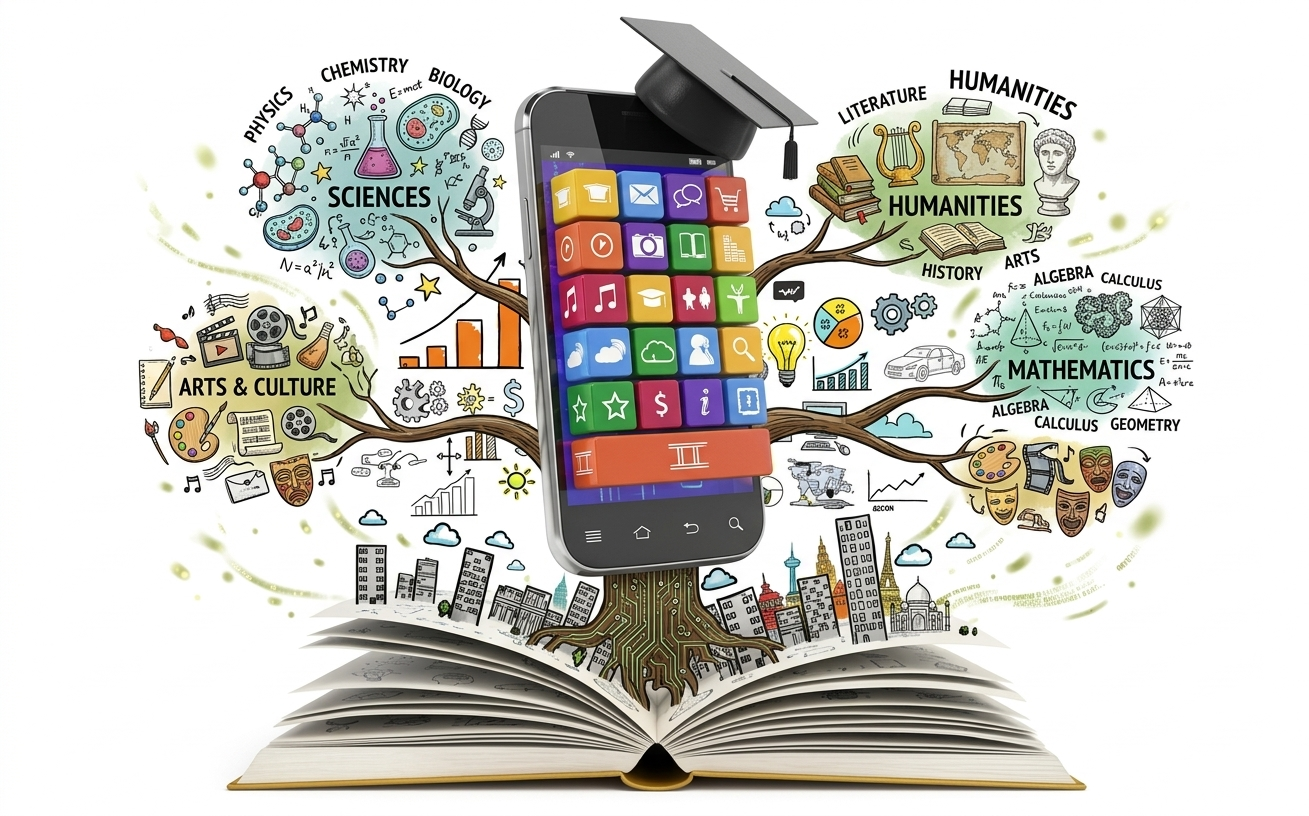
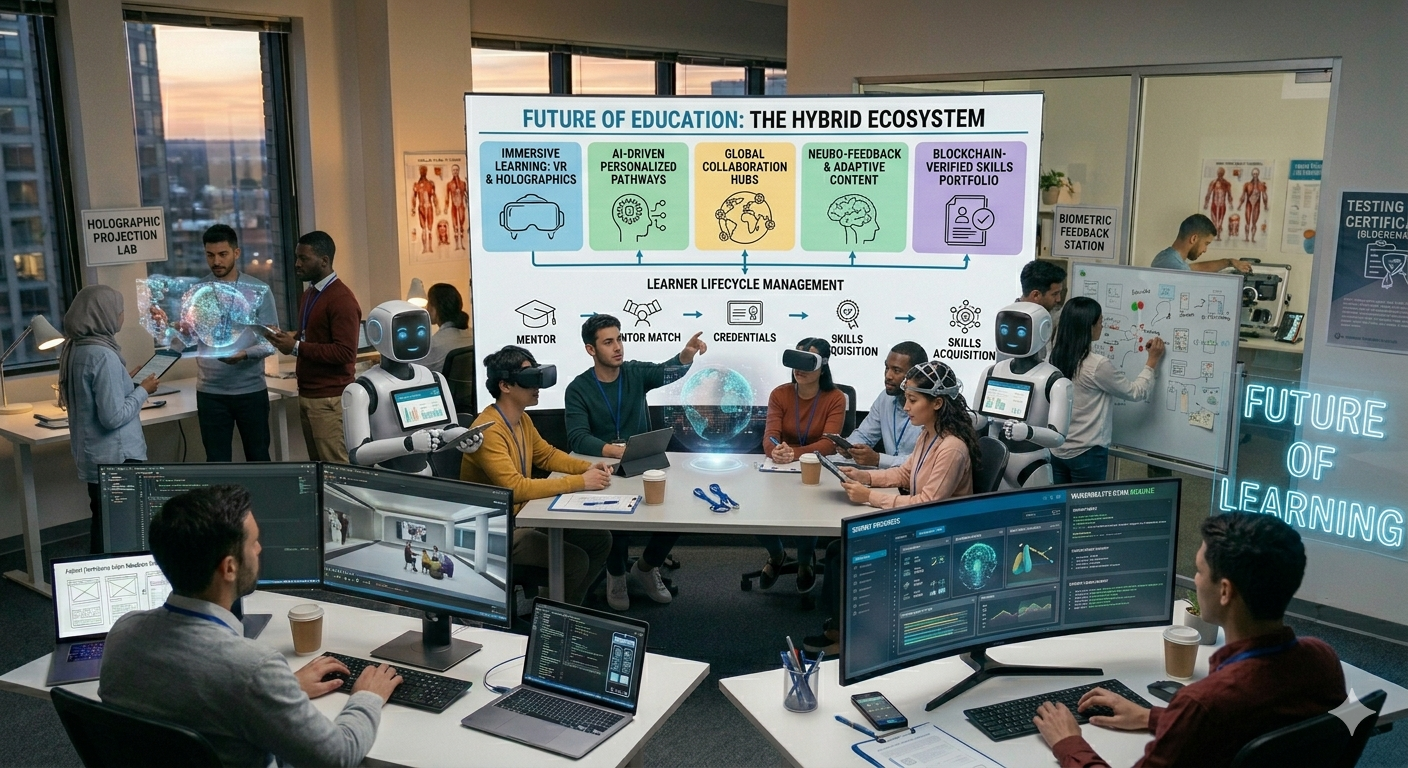
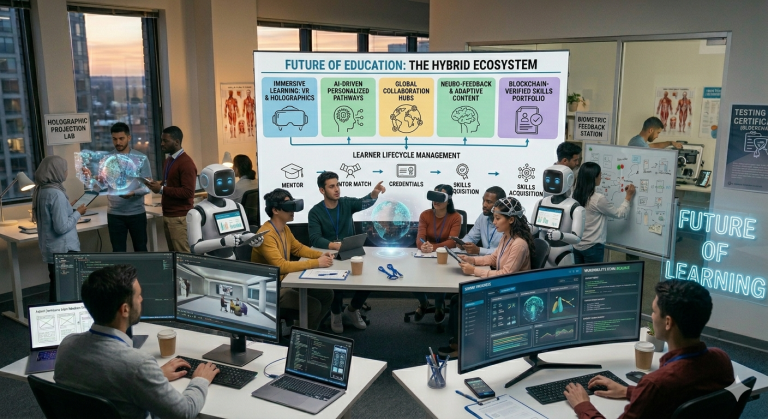
The future of education in the digital age promises personalized, immersive, and globally connected learning that adapts to individual needs while leveraging AI, VR/AR, and mobile platforms. Traditional classrooms are evolving into hybrid ecosystems where students access interactive content anytime, anywhere, breaking geographical and socioeconomic barriers. This transformation is crucial as digital natives demand engaging experiences—studies show EdTech market growth exceeding $400 billion by 2025, driven by AI personalization and remote tools that boost retention by up to 75% over lectures.
AI-Powered Personalization
AI analyzes student data to create custom learning paths, adjusting pace, content, and style for better outcomes. Tools like adaptive platforms identify weaknesses and deliver targeted lessons, supporting diverse learners including those with special needs.
Key benefits include:
-
Real-time feedback and progress tracking.
-
Automated grading freeing teachers for mentorship.
-
Multilingual support for global access.
Immersive Technologies (VR/AR)
VR/AR turns abstract concepts into hands-on experiences—students explore ancient Rome or molecular structures without leaving class. These tools enhance engagement, with VR yielding 75% retention rates versus 10% for reading.
Practical applications:
-
Virtual labs for safe science experiments.
-
AR overlays on textbooks for 3D models.
-
Global field trips via shared virtual spaces.
Hybrid Learning Models
Blending online and in-person education offers flexibility, accelerated by the pandemic. Platforms like Google Classroom enable live sessions, collaboration, and cloud-based resources accessible on mobiles.
Advantages:
-
5G-enabled seamless remote classes.
-
Blockchain for secure certifications.
-
IoT smart classrooms linked to apps.
The future of education in the digital age promises personalized, immersive, and globally connected learning that adapts to individual needs while leveraging AI, VR/AR, and mobile platforms. Traditional classrooms are evolving into hybrid ecosystems where students access interactive content anytime, anywhere, breaking geographical and socioeconomic barriers. This transformation is crucial as digital natives demand engaging experiences—studies show EdTech market growth exceeding $400 billion by 2025, driven by AI personalization and remote tools that boost retention by up to 75% over lectures.
AI-Powered Personalization
AI analyzes student data to create custom learning paths, adjusting pace, content, and style for better outcomes. Tools like adaptive platforms identify weaknesses and deliver targeted lessons, supporting diverse learners including those with special needs.
Key benefits include:
-
Real-time feedback and progress tracking.
-
Automated grading freeing teachers for mentorship.
-
Multilingual support for global access.
Immersive Technologies (VR/AR)
VR/AR turns abstract concepts into hands-on experiences—students explore ancient Rome or molecular structures without leaving class. These tools enhance engagement, with VR yielding 75% retention rates versus 10% for reading.
Practical applications:
-
Virtual labs for safe science experiments.
-
AR overlays on textbooks for 3D models.
-
Global field trips via shared virtual spaces.
Blending online and in-person education offers flexibility, accelerated by the pandemic. Platforms like Google Classroom enable live sessions, collaboration, and cloud-based resources accessible on mobilesChallenges and Equity
Digital divides persist, with risks of isolation, privacy issues, and unequal access. Policymakers must prioritize teacher training, affordable devices, and inclusive design to ensure technology enhances rather than replaces human connection.
Solutions include:
-
Subsidized devices for low-income areas.
-
Ethical AI guidelines.
-
Blended models preserving teacher roles.
Conclusion
The future of education in the digital age lies in balanced integration of AI, VR/AR, and hybrid models that make learning immersive, equitable, and lifelong. Start exploring EdTech tools today to prepare students for tomorrow’s workforce—your first step could transform a classroom.
FAQ (5 Questions)
What role does AI play in the future of education in the digital age?
AI personalizes learning, automates assessments, and provides virtual tutors for adaptive experiences.How will VR/AR change classrooms?
They create immersive simulations for safe, engaging practice in subjects like science and history.What are hybrid learning benefits?
Flexibility, global collaboration, and anytime access without losing in-person interaction.Will digital education widen inequality?
Potentially, but equitable policies and affordable tech can bridge gaps.What’s next for EdTech?
5G, voice assistants, and AI mentors for hyper-personalized global learning. -
-