Introduction
Education and learning are the foundations of personal growth, social development, and economic progress. For centuries, education followed a traditional classroom-based approach, relying on physical schools, textbooks, and face-to-face instruction. However, the digital revolution has transformed how people learn, access knowledge, and develop skills.
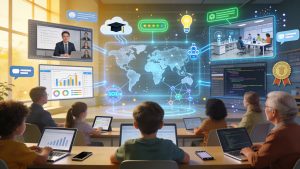
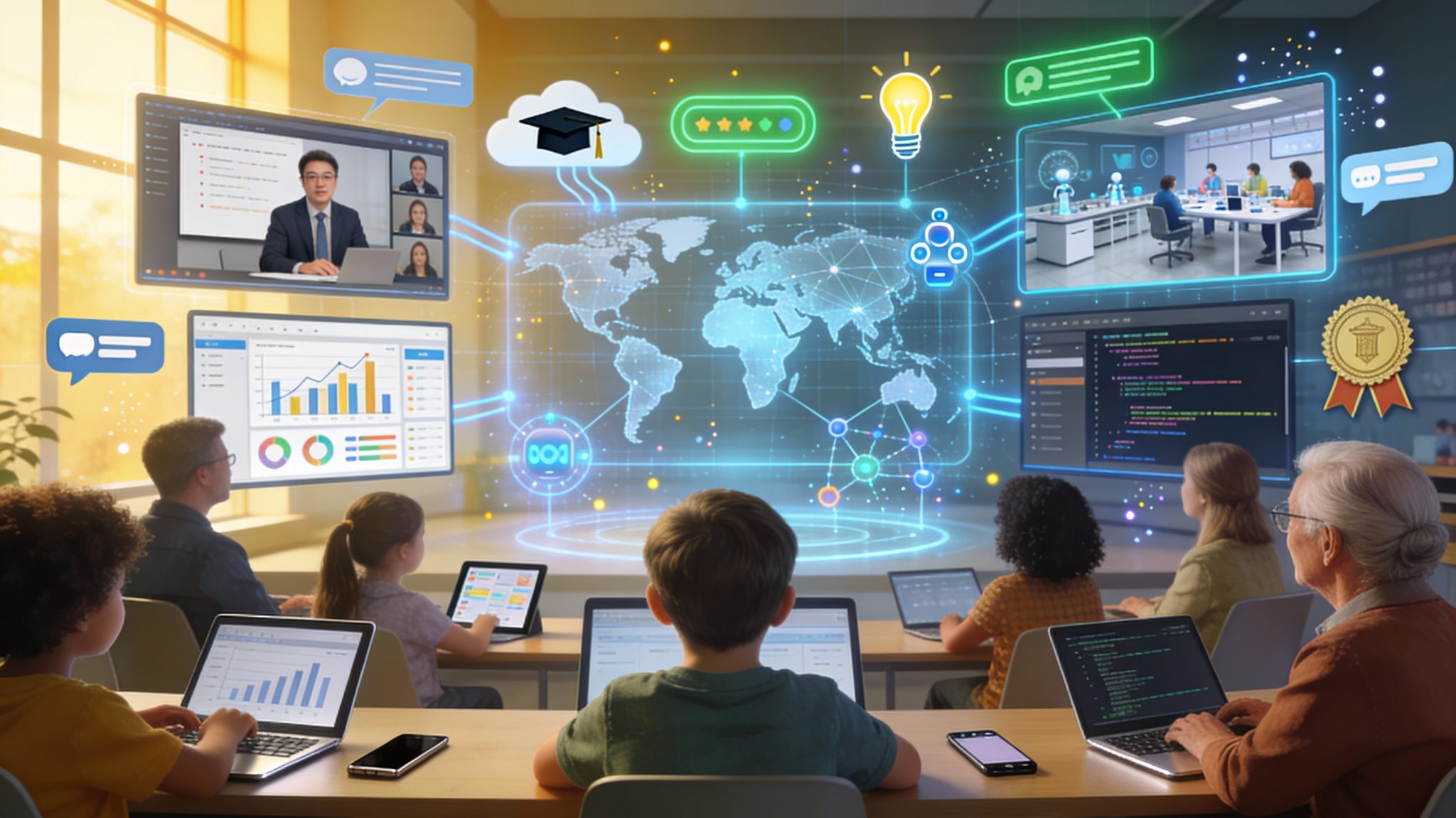
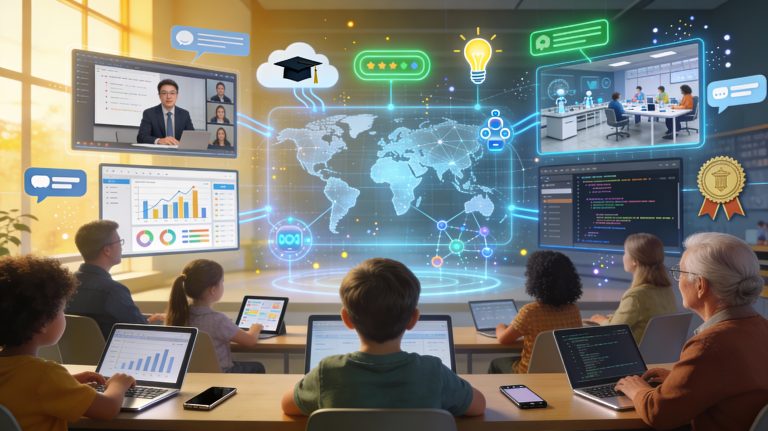
Today, education extends far beyond classrooms. Online courses, digital libraries, virtual classrooms, and learning apps have made education more flexible, inclusive, and accessible. This transformation has reshaped teaching methodologies and learning experiences across the globe.
In this blog, we explore education and learning in the digital age, examining how technology has changed learning methods, the benefits of modern education, challenges, and what the future holds.
What Is Education and Learning?
Education is a structured process of acquiring knowledge, skills, values, and attitudes through teaching, training, or research. Learning is a lifelong process that occurs formally through institutions and informally through experiences.
Types of Learning
-
Formal learning (schools, colleges, universities)
-
Informal learning (self-study, experiences)
-
Non-formal learning (workshops, online courses)
Modern education blends all these approaches to create holistic learning experiences.
The Evolution of Education
Traditional Education
Traditional education focused on:
-
Teacher-centered instruction
-
Memorization
-
Fixed curricula
While effective in many ways, it often lacked flexibility and personalization.
Digital and Modern Education
Modern education emphasizes:
-
Student-centered learning
-
Skill development
-
Critical thinking
-
Technology integration
Digital tools have revolutionized how students learn and interact with information.
Role of Technology in Education and Learning
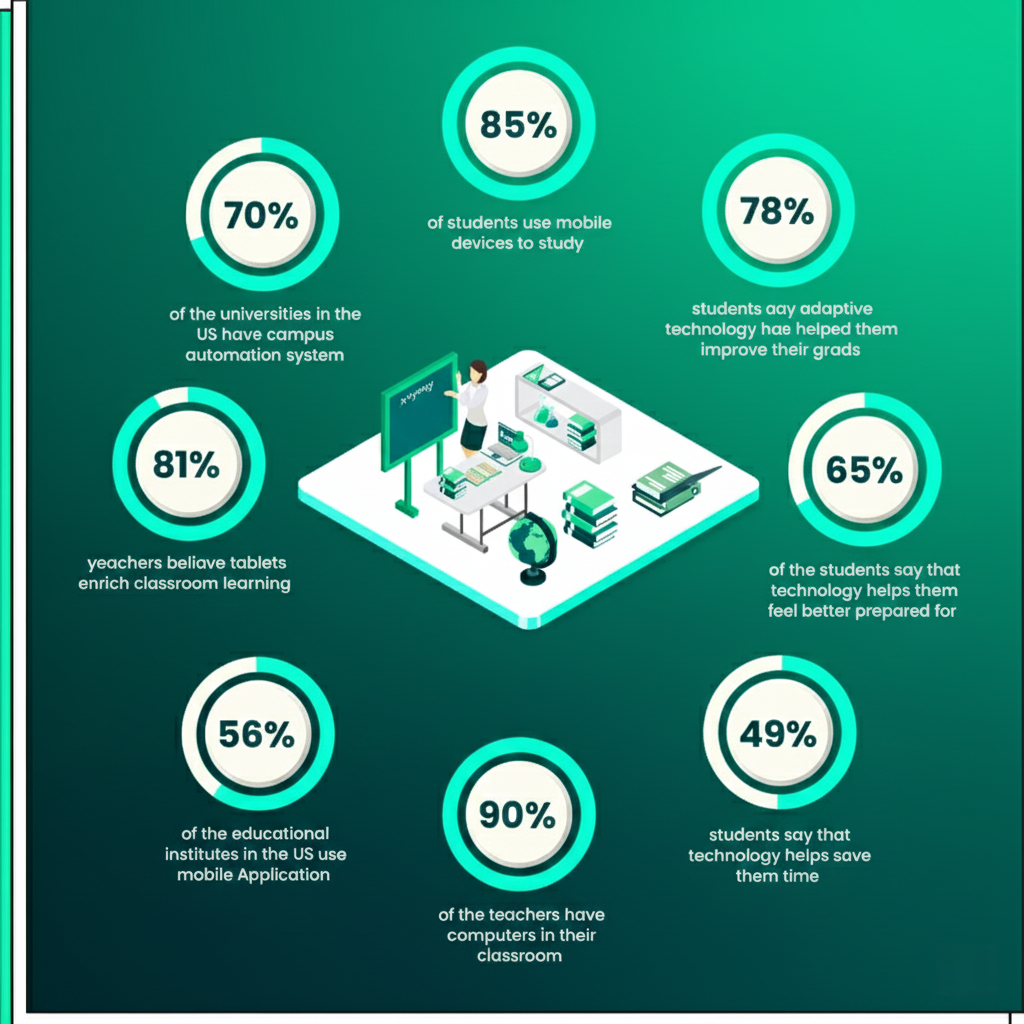
Technology plays a vital role in modern education.
Key Technologies in Education
-
Learning Management Systems (LMS)
-
Video conferencing tools
-
Artificial Intelligence
-
Virtual and Augmented Reality
These tools enhance engagement and improve learning outcomes.
Online Learning and E-Learning Platforms
Online learning platforms have become a cornerstone of modern education.
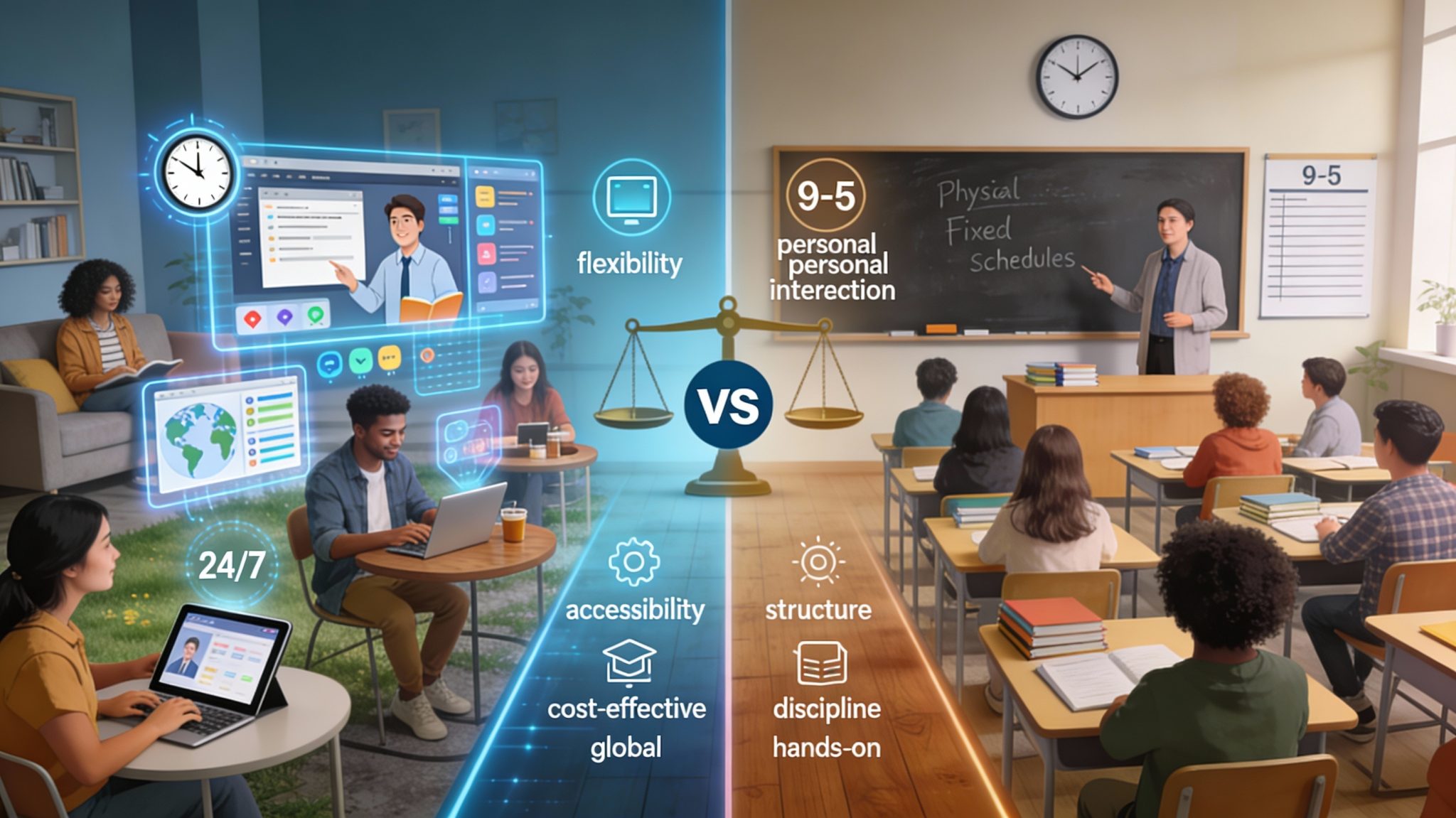
Benefits of Online Learning
-
Learn anytime, anywhere
-
Cost-effective education
-
Access to global resources
-
Personalized learning paths
Popular e-learning platforms offer courses in academics, professional skills, and personal development.
Benefits of Modern Education and Learning
1. Accessibility
Education is no longer limited by geography.
2. Flexibility
Learners can study at their own pace.
3. Skill-Oriented Learning
Modern education focuses on real-world skills.
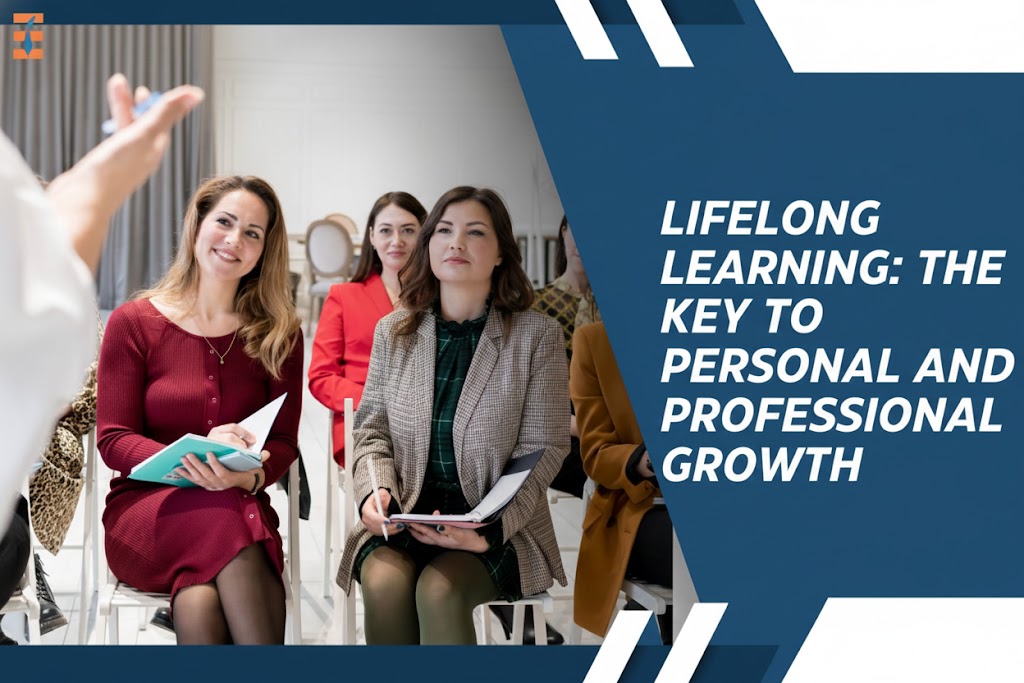
4. Lifelong Learning
Continuous learning supports career growth.
Challenges in Modern Education
Despite its advantages, modern education faces challenges:
-
Digital divide
-
Lack of infrastructure
-
Quality assurance
-
Screen fatigue
Addressing these challenges is crucial for inclusive education.
Importance of Education in Personal and Professional Growth
Education empowers individuals by:
-
Enhancing critical thinking
-
Improving career opportunities
-
Promoting social equality
Learning is essential for adapting to a rapidly changing world.
Future of Education and Learning
The future of education will focus on:
-
AI-driven personalization
-
Hybrid learning models
-
Skills-based education
-
Lifelong learning ecosystems
Education systems will continue to evolve with technological advancements.
Conclusion
Education and learning are undergoing a significant transformation in the digital age. Technology has expanded access to knowledge, personalized learning experiences, and made education more inclusive. By embracing modern learning methods, individuals and institutions can unlock new opportunities and build a knowledge-driven future.
Frequently Asked Questions (FAQs)
1. What is modern education?
Modern education integrates technology, flexibility, and skill-based learning methods.
2. How has technology changed learning?
Technology enables online learning, personalization, and global access to education.
3. Is online learning effective?
Yes, when structured properly, online learning can be highly effective.
4. What is lifelong learning?
Lifelong learning is the continuous pursuit of knowledge throughout life.
5. What skills are important in modern education?
Critical thinking, digital literacy, communication, and adaptability.
6. What is the future of education?
The future includes AI-powered learning, hybrid education, and personalized learning paths.
Connect With Us: https://www.facebook.com/profile.php?id=61555452386126