Cloud Computing – An Ultimate Guide for Businesses
In today’s digital era, cloud computing has become an essential pillar for businesses aspiring to achieve agility, scalability, and operational excellence. It empowers organizations to leverage computing resources on demand, enabling them to innovate rapidly, reduce costs, and enhance customer experiences.
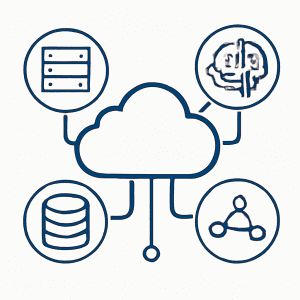
This comprehensive guide explores cloud computing’s core concepts, business benefits, types, deployment models, and best practices. It is enriched with insights and backlinks from authoritative TechOTD resources, ensuring SEO optimization and practical value for business leaders, CTOs, and IT professionals.
Introduction to Cloud Computing
Cloud computing refers to the on-demand delivery of computing services—including servers, storage, databases, networking, software, analytics, and intelligence—over the internet (“the cloud”). Instead of owning physical data centers or servers, businesses rent access to these resources from cloud providers, facilitating flexible and efficient IT management.
At TechOTD AI Page, cloud computing forms a backbone technology enabling advanced AI and Big Data deployments that drive business transformation.
Types of Cloud Computing Services
Cloud computing can be broadly categorized into three service models:
-
Infrastructure as a Service (IaaS): Provides virtualized computing infrastructure like servers and storage. Businesses control operating systems and applications but avoid maintaining physical hardware.
-
Platform as a Service (PaaS): Offers a development platform allowing developers to build and deploy applications without worrying about underlying infrastructure.
-
Software as a Service (SaaS): Delivers software applications over the internet on a subscription basis, eliminating installation and maintenance hassles.
Choosing the right service model depends on business needs, development capabilities, and cost considerations.
Cloud Deployment Models
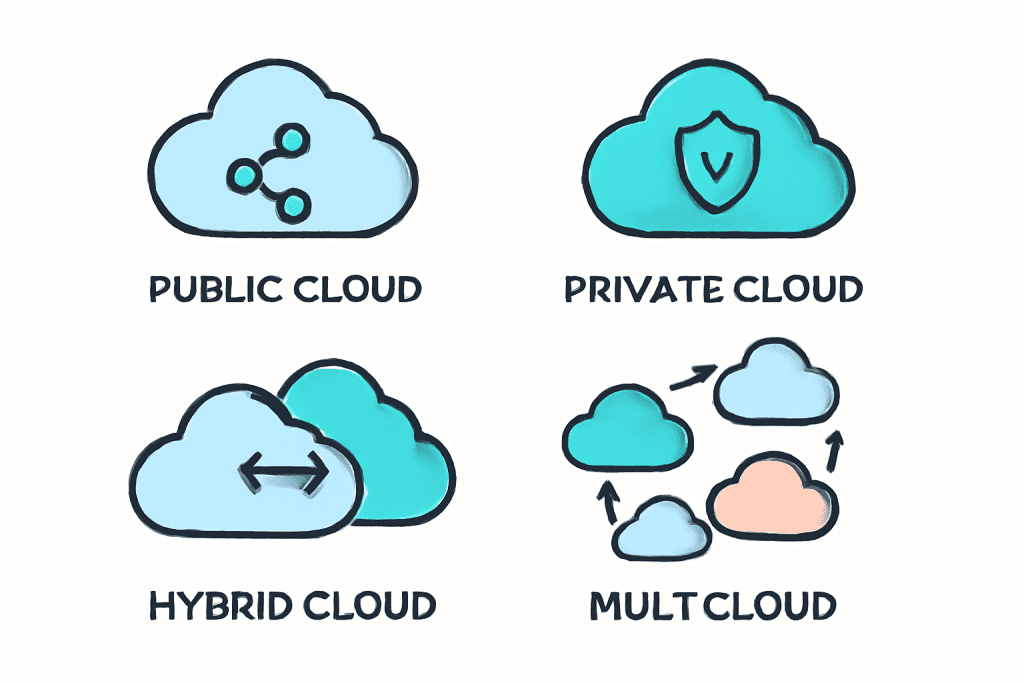
Businesses can opt for different cloud deployment models tailored to their operational preferences:
-
Public Cloud: Cloud services offered over the public internet and shared across multiple organizations. Highly scalable and cost-effective.
-
Private Cloud: Exclusive cloud environment dedicated to a single organization, offering enhanced security and control.
-
Hybrid Cloud: Combining public and private clouds, hybrid models provide flexibility by allowing workloads to move between environments.
-
Multicloud: Use of multiple cloud services from various providers to avoid vendor lock-in and optimize performance.
TechOTD emphasizes custom solutions crafted around these models to align with client-specific security, compliance, and scalability requirements.
Business Benefits of Cloud Computing
Cloud computing offers multiple advantages to modern businesses:
-
Cost Efficiency: Pay-as-you-go pricing eliminates hefty upfront infrastructure investments.
-
Scalability: Seamlessly scale resources up or down based on demand and growth.
-
Flexibility & Mobility: Access applications and data from anywhere, supporting remote teams and global operations.
-
Security & Compliance: Leading providers invest heavily in security measures and compliance certifications.
-
Business Continuity: Disaster recovery and backup capabilities ensure information and applications are safeguarded.
-
Faster Time to Market: Cloud accelerates innovation, enabling rapid development and deployment of new products and services.
Key Cloud Computing Use Cases for Businesses
-
Data Storage and Backup: Securely store enormous data with easy recovery options.
-
Big Data and Analytics: Power AI and machine learning models with scalable cloud infrastructure.
-
Application Development & Testing: Agile and cost-efficient environments support faster software releases.
-
Collaboration Tools: Cloud-based suites enhance team productivity and communication.
-
Disaster Recovery: Cloud ensures quick recovery from data loss or cyberattacks, minimizing downtime.
TechOTD’s Approach to Cloud and AI Integration
TechOTD seamlessly integrates cloud computing with AI, Big Data, and automation to deliver scalable, secure, and performance-driven solutions. Our process emphasizes analyzing business requirements, evaluating data sources, designing robust architecture, and ongoing support to guarantee measurable outcomes.
Learn more about our agile methodologies and client success stories at How We Work.
FAQ: Cloud Computing for Businesses
Q1: How does cloud computing reduce IT costs?
Cloud offers a pay-as-you-go pricing model, eliminating upfront hardware investments and lowering maintenance costs.
Q2: Which cloud deployment model is best for security-sensitive businesses?
Private and hybrid clouds provide enhanced security and control suited for sensitive data environments.
Q3: How can cloud computing accelerate digital transformation?
It provides scalable infrastructure and agile platforms for rapid development, testing, and deployment of new services.
Q4: What role does cloud computing play in AI and Big Data?
Cloud environments support massive data processing and machine learning workloads critical for AI innovation.
Q5: Is cloud computing suitable for small businesses?
Yes, its scalability and affordable pricing make cloud solutions accessible for businesses of all sizes.
Q6: How does TechOTD assist businesses in cloud adoption?
TechOTD offers consulting, custom solution design, AI integration, and ongoing support ensuring reliable cloud journeys.
Conclusion
Cloud computing is no longer optional; it is a strategic imperative for businesses seeking growth, innovation, and resilience. With the right cloud strategy, companies can harness the power of AI, Big Data, and automation to outpace competition and delight customers.
Partnering with pioneers like TechOTD ensures seamless cloud adoption tailored for your unique business needs, combining technology expertise with agile delivery frameworks.
Explore more detailed insights and actionable resources on TechOTD’s platform to drive your cloud journey forward.