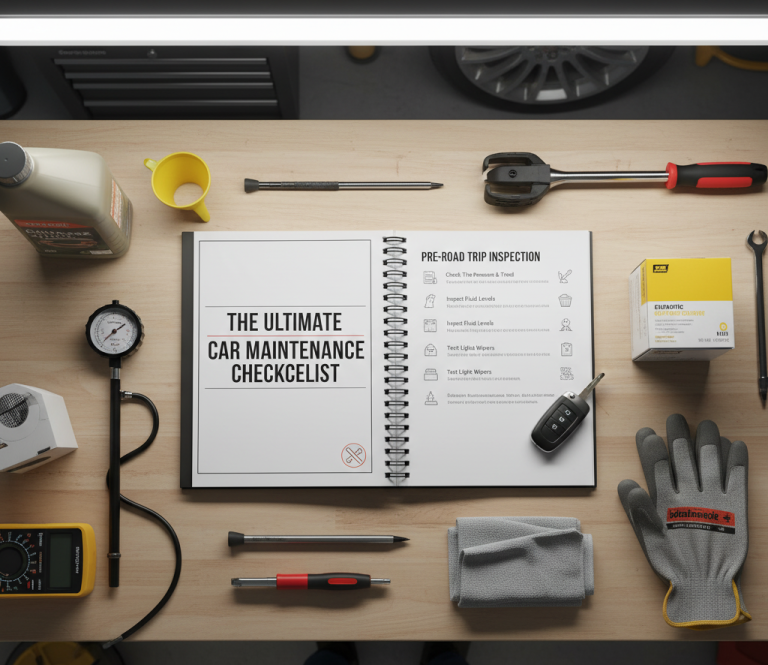
Essential Car Maintenance: Your Complete Guide to Vehicle Longevity
Your vehicle represents a significant investment that requires regular care to maintain performance, safety, and value. Proper maintenance prevents costly repairs, extends your car’s lifespan, and ensures reliable transportation. Understanding what your vehicle needs and when creates a foundation for smart ownership.
The Importance of Regular Maintenance
Regular maintenance serves multiple critical purposes. Preventive care identifies minor issues before they become major problems. This proactive approach saves thousands of dollars in repair costs while preventing inconvenient breakdowns.
Safety depends heavily on well-maintained vehicles. Brake systems, tires, lights, and steering components require regular inspection and service to function properly. Neglecting maintenance compromises your safety and that of other road users.
Financial benefits extend beyond avoiding repairs. Well-maintained vehicles achieve better fuel economy, retain higher resale value, and last significantly longer than neglected ones. The modest investment in regular service pays substantial dividends over your ownership period.
Understanding Your Maintenance Schedule
Every vehicle comes with a manufacturer-recommended maintenance schedule detailed in the owner’s manual. This schedule outlines specific services at designated mileage intervals or time periods. Following this schedule maintains warranty coverage and optimal performance.
Maintenance schedules typically include two categories. Normal driving conditions apply to most drivers who operate vehicles in temperate climates with mixed city and highway driving. Severe driving conditions include frequent short trips, extreme temperatures, dusty environments, or towing, requiring more frequent service.
Essential Fluid Maintenance
Vehicle fluids lubricate, cool, and protect critical systems. Engine oil represents the most crucial fluid, requiring regular changes to protect internal components. Modern synthetic oils extend change intervals, but following manufacturer recommendations ensures proper protection.
Transmission fluid enables smooth gear changes and component lubrication. Automatic transmissions typically require fluid changes every 30,000 to 60,000 miles, though some newer vehicles use lifetime fluids. Manual transmissions need less frequent service but still require periodic attention.
Coolant prevents engine overheating and freezing while protecting against corrosion. Flush and replace coolant every 30,000 to 50,000 miles to maintain effectiveness. Brake fluid absorbs moisture over time, requiring replacement every two to three years to ensure proper braking performance.
Power steering fluid, differential fluid, and windshield washer fluid round out the essential fluids requiring periodic checking and service.
Tyre Care and Rotation
Tyres provide your only contact with the road, making their maintenance critical for safety and performance. Check tire pressure monthly, as properly inflated tires improve fuel economy, handling, and lifespan. Most vehicles display recommended pressures on a sticker inside the driver’s door.
Rotate tyres every 5,000 to 7,500 miles to promote even wear. Different positions on your vehicle cause varying wear patterns. Regular rotation maximizes tire life and maintains balanced handling.
Inspect tread depth regularly using the penny test. Insert a penny into the tread with Lincoln’s head upside down. If you can see the top of his head, replace the tires immediately. Uneven wear patterns indicate alignment or suspension issues requiring professional attention.
Brake System Maintenance
Brake systems require regular inspection and service to ensure safe stopping. Most vehicles need brake pad replacement every 25,000 to 70,000 miles depending on driving habits and pad materials. Ceramic pads last longer than organic pads but cost more initially.
Listen for warning signs like squealing, grinding, or vibration when braking. These symptoms indicate worn pads or damaged rotors requiring immediate attention. Many modern vehicles feature electronic brake wear indicators that alert you through dashboard warnings.
Brake fluid changes every two to three years prevent moisture contamination that reduces braking effectiveness and corrodes internal components.
Battery and Electrical System
Car batteries typically last three to five years before requiring replacement. Clean battery terminals prevent corrosion that impedes electrical flow. Many auto parts stores test batteries free of charge, allowing you to replace them before failure occurs.
Electrical system checks include testing the alternator, starter, and charging system. Warning signs include dim headlights, slow engine cranking, or dashboard battery warning lights.
Air Filter Replacement
Engine air filters prevent contaminants from entering your engine, protecting internal components and maintaining performance. Replace engine air filters every 15,000 to 30,000 miles or annually. Cabin air filters improve interior air quality and should be replaced every 12,000 to 15,000 miles.
Timing Belt and Spark Plugs
Timing belts require replacement every 60,000 to 100,000 miles depending on your vehicle. Failure to replace worn timing belts can cause catastrophic engine damage costing thousands in repairs. Many newer vehicles use timing chains requiring no regular replacement.
Spark plugs ignite the air-fuel mixture in your engine. Modern platinum or iridium plugs last 60,000 to 100,000 miles. Replace them according to manufacturer recommendations to maintain fuel economy and smooth operation.
Seasonal Maintenance Considerations
Seasonal changes require specific maintenance attention. Winter preparation includes checking antifreeze concentration, battery condition, and tire tread. Summer care focuses on cooling system performance and air conditioning function.
DIY vs Professional Service
Many maintenance tasks suit DIY completion, including air filter replacement, windshield wiper installation, and fluid level checks. These simple jobs save money and help you understand your vehicle better.
Complex services like timing belt replacement, transmission service, and brake system repairs require professional expertise and specialized tools. Attempting advanced repairs without proper knowledge risks expensive damage and safety issues.
Keeping Maintenance Records
Document all maintenance and repairs with receipts and service records. This documentation proves proper care to warranty providers and increases resale value by demonstrating responsible ownership.
Regular maintenance represents the best investment you can make in your vehicle. Following recommended schedules, addressing issues promptly, and combining DIY care with professional service ensures your car provides reliable, safe transportation for years to come.
Conclusion
Proper car maintenance is not just about preventing breakdowns—it’s about protecting your investment, ensuring your safety, and maximizing the value of one of your most significant purchases. The difference between a vehicle that lasts 100,000 miles and one that serves you well past 200,000 miles often comes down to consistent, preventive care.
While maintenance requires time and money, the costs pale in comparison to major repairs or premature vehicle replacement. By following your manufacturer’s recommended schedule, staying alert to warning signs, and addressing issues before they escalate, you take control of your automotive expenses and avoid unexpected failures at inconvenient times.
Whether you’re a hands-on enthusiast who enjoys DIY maintenance or someone who prefers leaving everything to professionals, understanding what your vehicle needs empowers you to make informed decisions. Keep detailed records, build a relationship with a trusted mechanic, and view maintenance as an ongoing commitment rather than an optional expense.
Your vehicle works hard for you every day. By giving it the care it deserves through regular maintenance, you ensure it continues delivering reliable, safe, and efficient transportation for many years and miles ahead. Start today by checking your owner’s manual, scheduling overdue services, and committing to a proactive maintenance routine that protects both your vehicle and your wallet.
FAQs
Q1: How often should I change my engine oil? Oil change intervals depend on your vehicle and oil type. Conventional oil typically requires changes every 3,000 to 5,000 miles, while synthetic oil extends this to 7,500 to 10,000 miles. Always follow your owner’s manual recommendations, as modern engines often have longer intervals than older guidance suggests.
Q2: What maintenance does my car need at 100,000 miles? Major maintenance at 100,000 miles typically includes timing belt replacement if equipped, spark plug replacement, transmission fluid change, coolant flush, brake fluid replacement, and thorough inspection of all systems. Consult your owner’s manual for specific recommendations.
Q3: How can I tell if my car needs new brakes? Warning signs include squealing or grinding noises, vibration when braking, longer stopping distances, or the brake pedal feeling soft or sinking to the floor. Many vehicles have brake wear indicators that create a squealing sound when pads need replacement.
Q4: Is synthetic oil worth the extra cost? Synthetic oil offers superior protection, better performance in extreme temperatures, and longer change intervals. While more expensive initially, extended intervals often make synthetic oil cost-effective. It’s especially beneficial for turbocharged engines, extreme climates, and vehicles with extended drain intervals.
Q5: How long should car tires last? Tire lifespan varies by brand, driving habits, and maintenance but typically ranges from 40,000 to 80,000 miles. Proper inflation, regular rotation, and wheel alignment maximize tire life. Replace tires when tread depth reaches 2/32 of an inch regardless of mileage.
Q6: What happens if I skip scheduled maintenance? Skipping maintenance voids warranties, decreases reliability, reduces fuel economy, and leads to expensive repairs. Minor issues become major problems, potentially causing component failure that damages related systems. Regular maintenance always costs less than emergency repairs.

Connect through Social Media
https://www.facebook.com/people/Techotd-Solutions-Private-Limited/61555452386126/